Mass-Manufactured Wheels for Remote Control Cars
Designing and executing a high-volume manufacturing process for a multi-part consumer product
Context
Class project
Fall 2025
Manufacturing Systems and Processes (2.810)
MIT Mechanical Engineering
Role
As part of a 6-person Wheels Team, I took ownership of tire design and manufacturing. I also contributed to wheel design and manufacturing.
All contributions on this page are mine.
Skills
3D printing
Molding & casting
Materials engineering
Conversational CNC milling
Waterjet cutting
CAM for turning
Design for Manufacturing
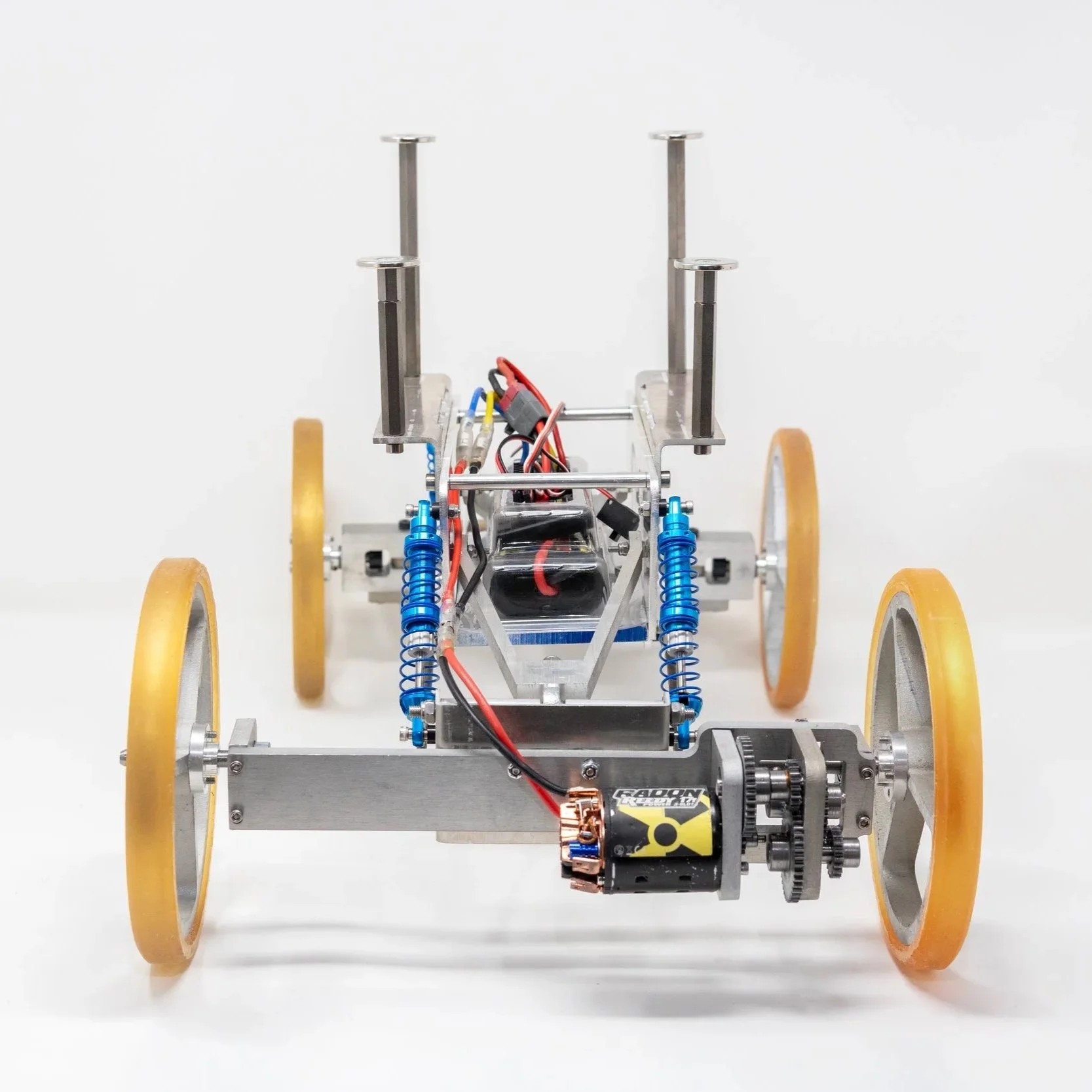
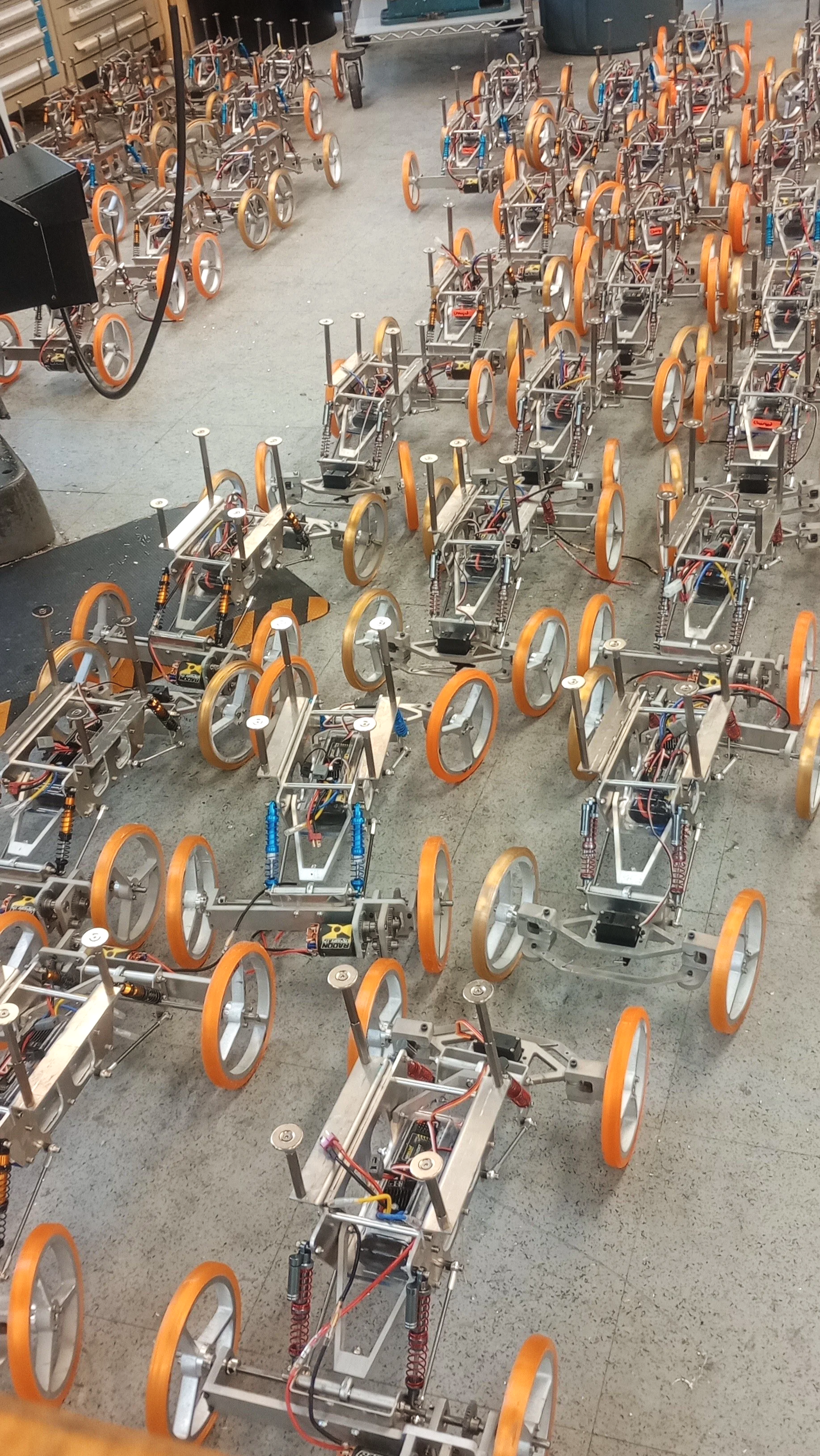
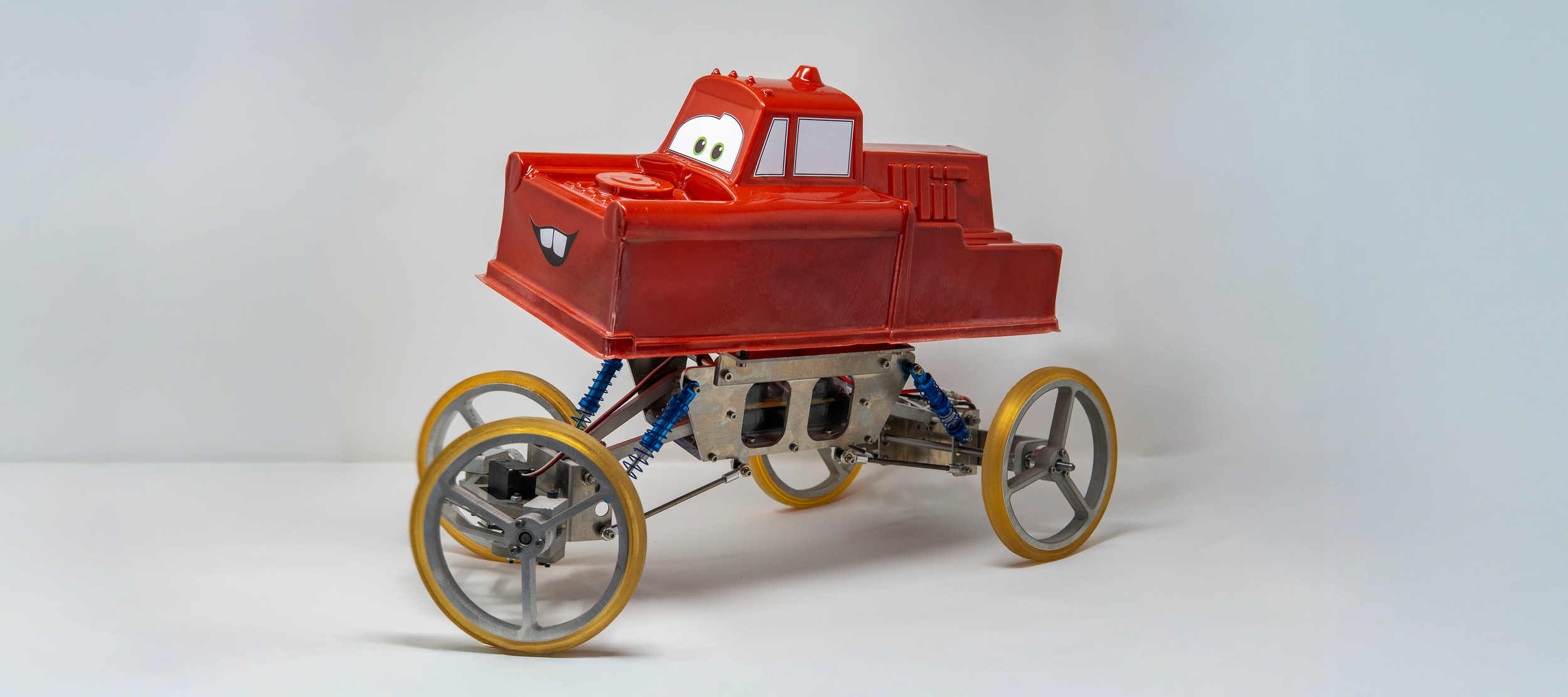
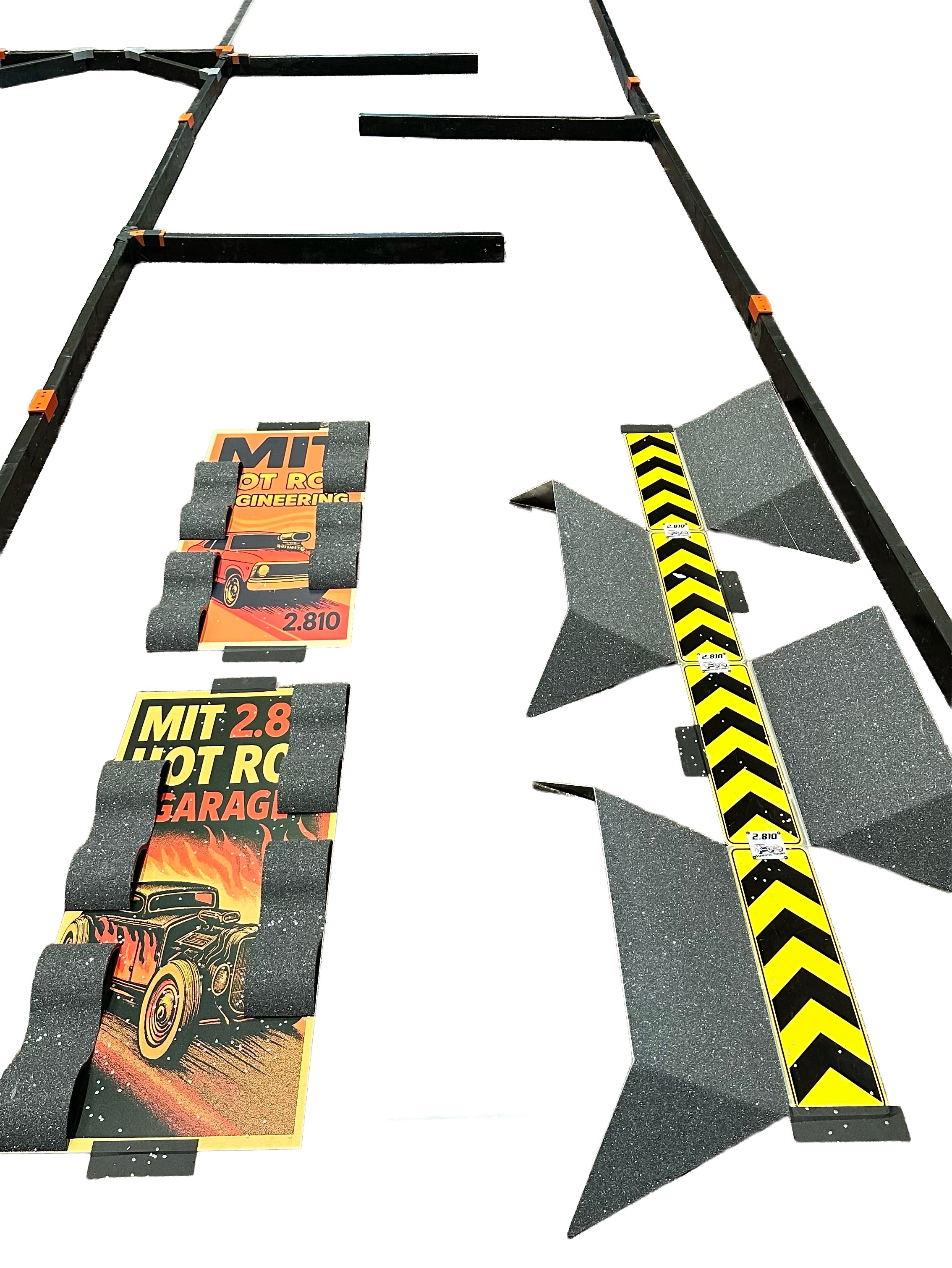
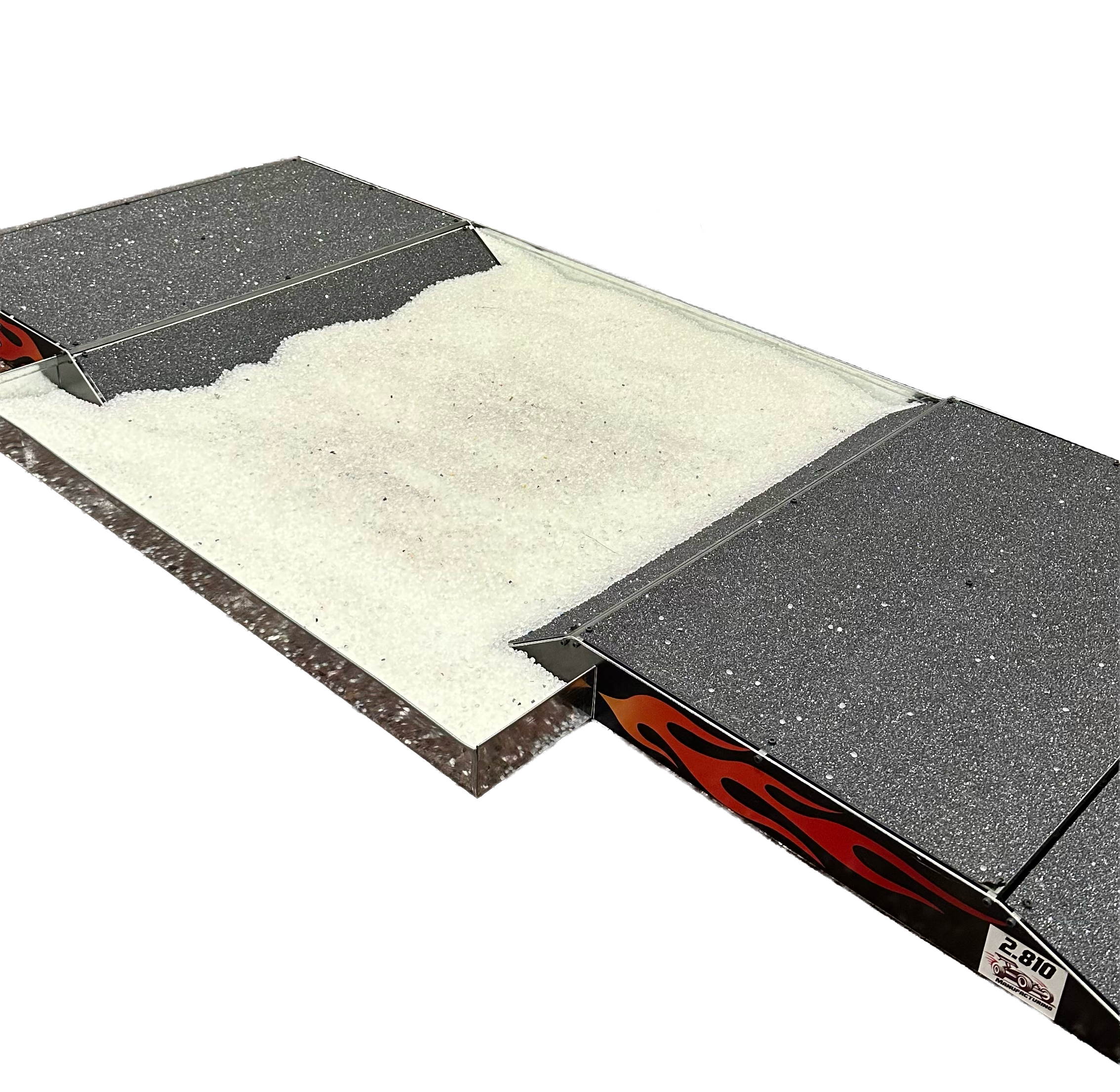
With 40 students in the class, we needed to make 40 RC cars.
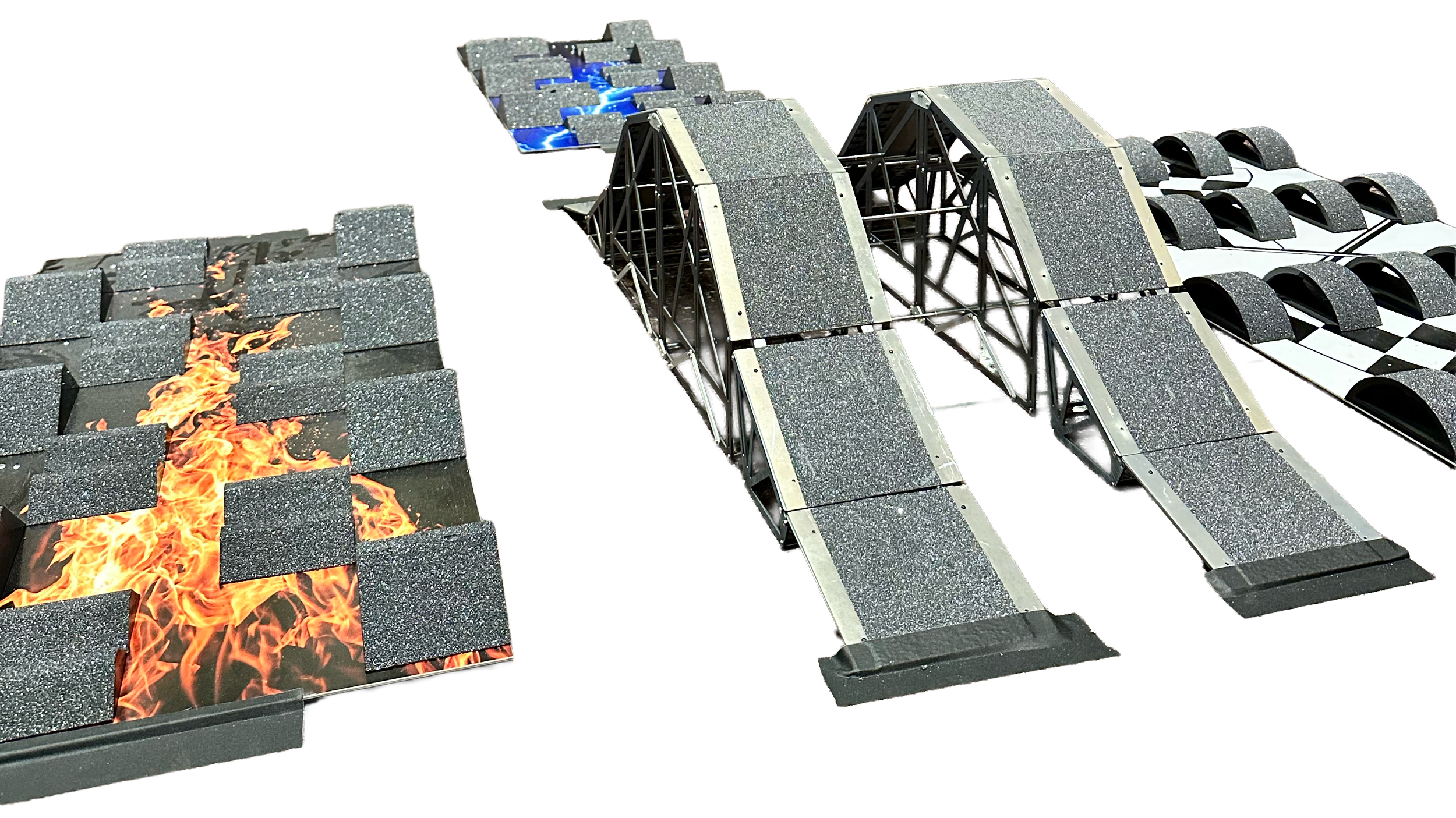
How might we design and manufacture 160 wheels that allow the car to traverse the obstacles with ease and speed?
Wheels
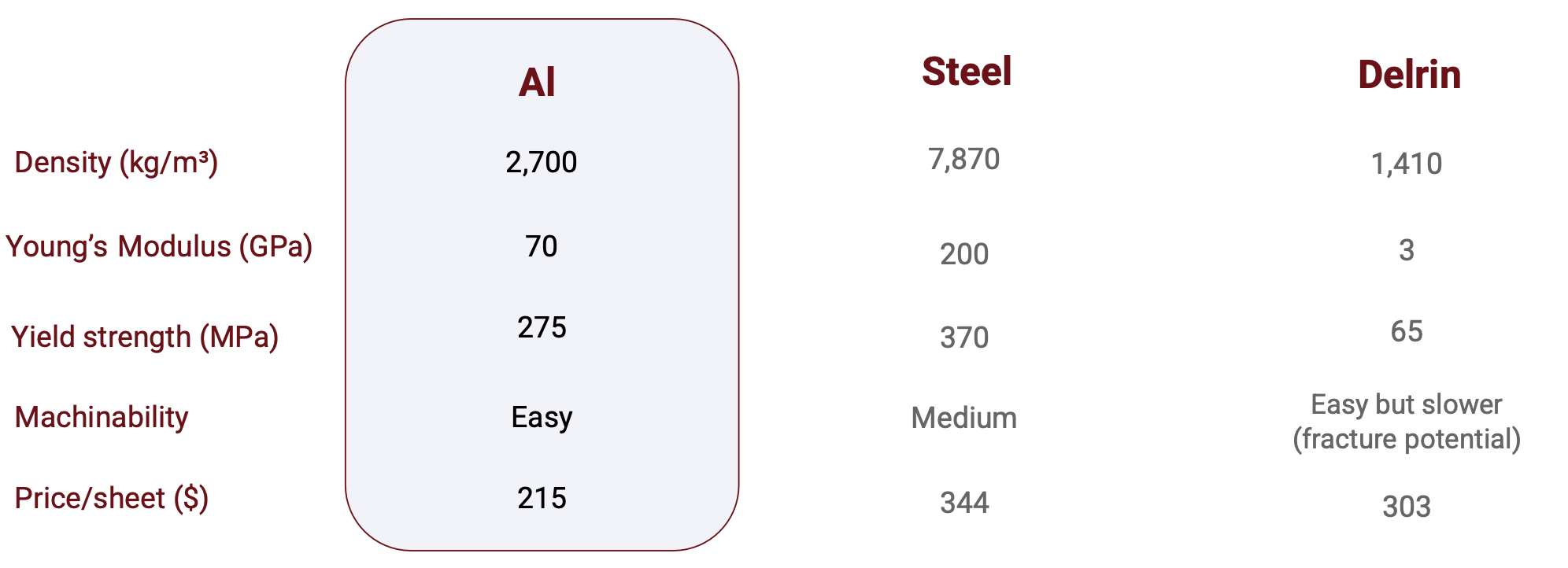
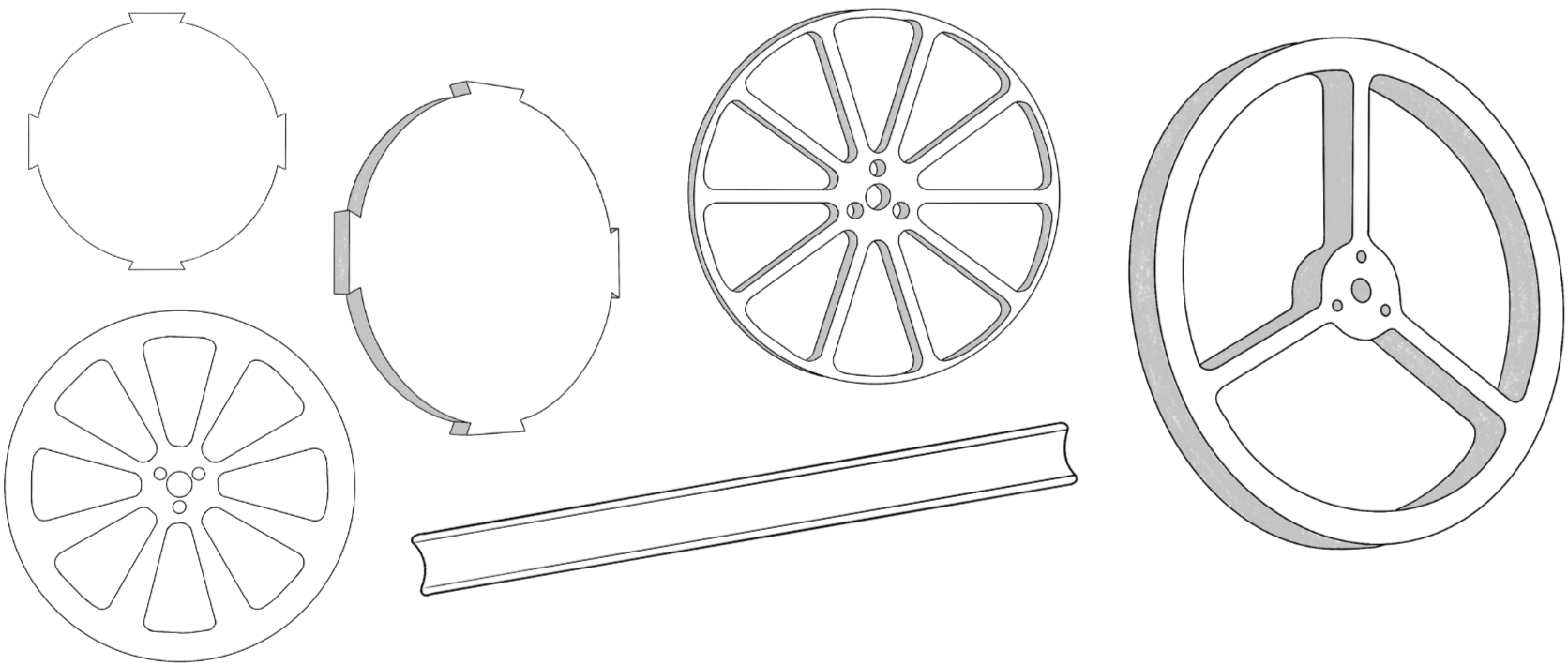
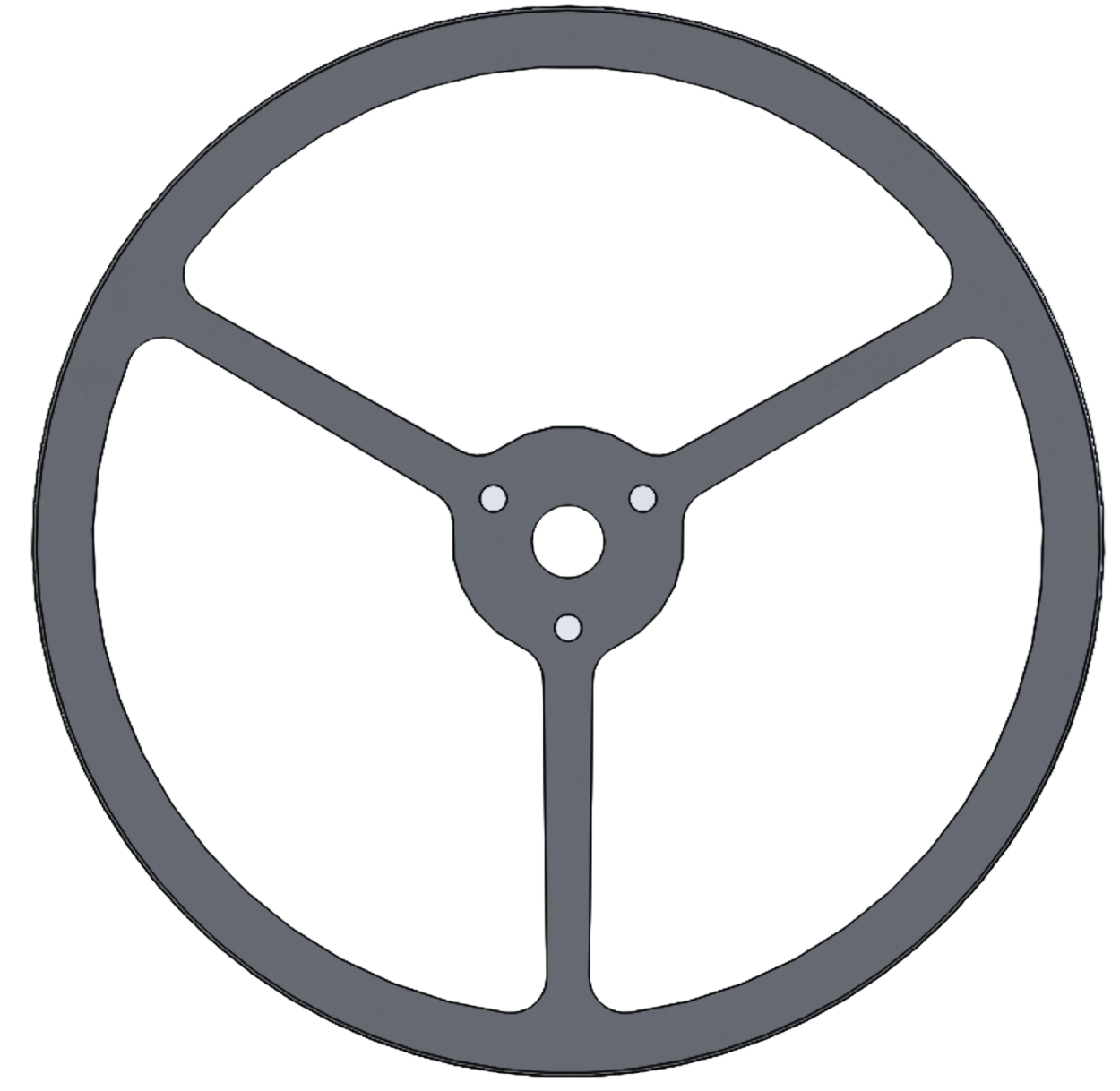

Aluminum gives us stiffness that is close enough to steel at one-third the weight, so the wheel can stay rigid with much lower rotational inertia. It’s also easily machinable and cheaper than delrin.
1) cut wheels on waterjet
2) run CAM on lathe
Tires
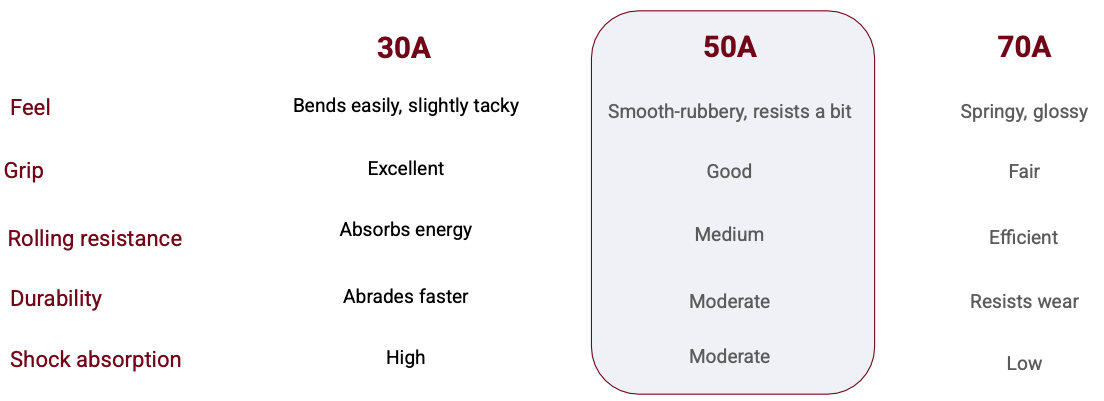
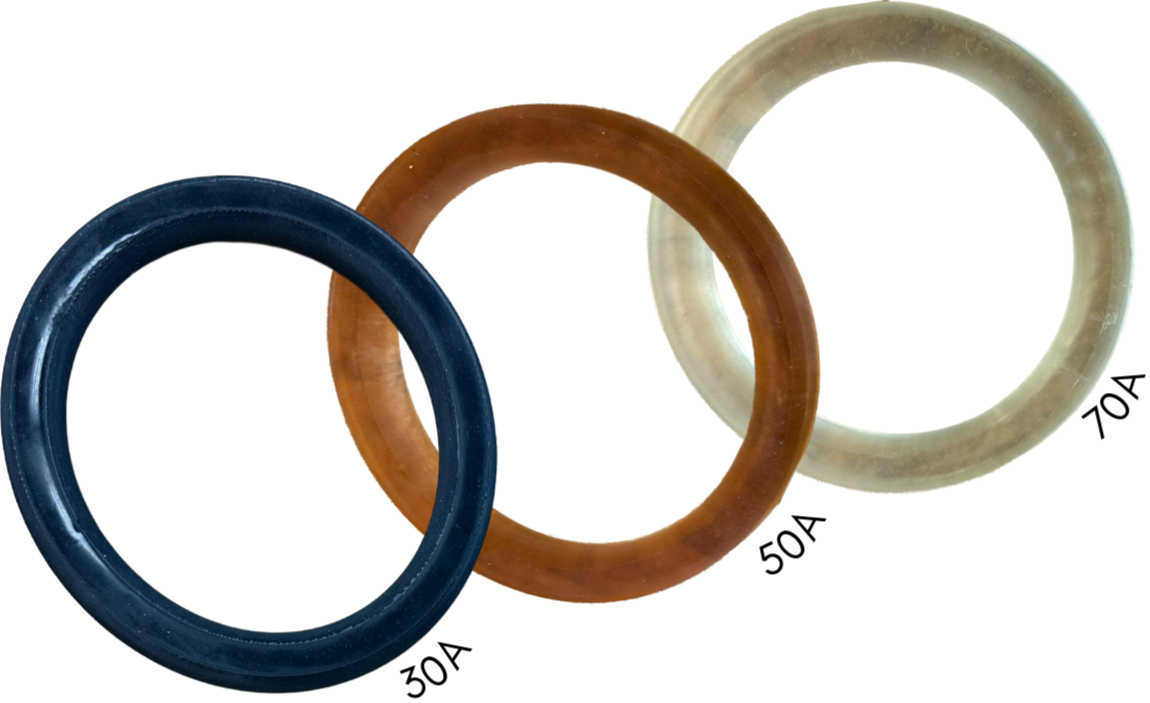
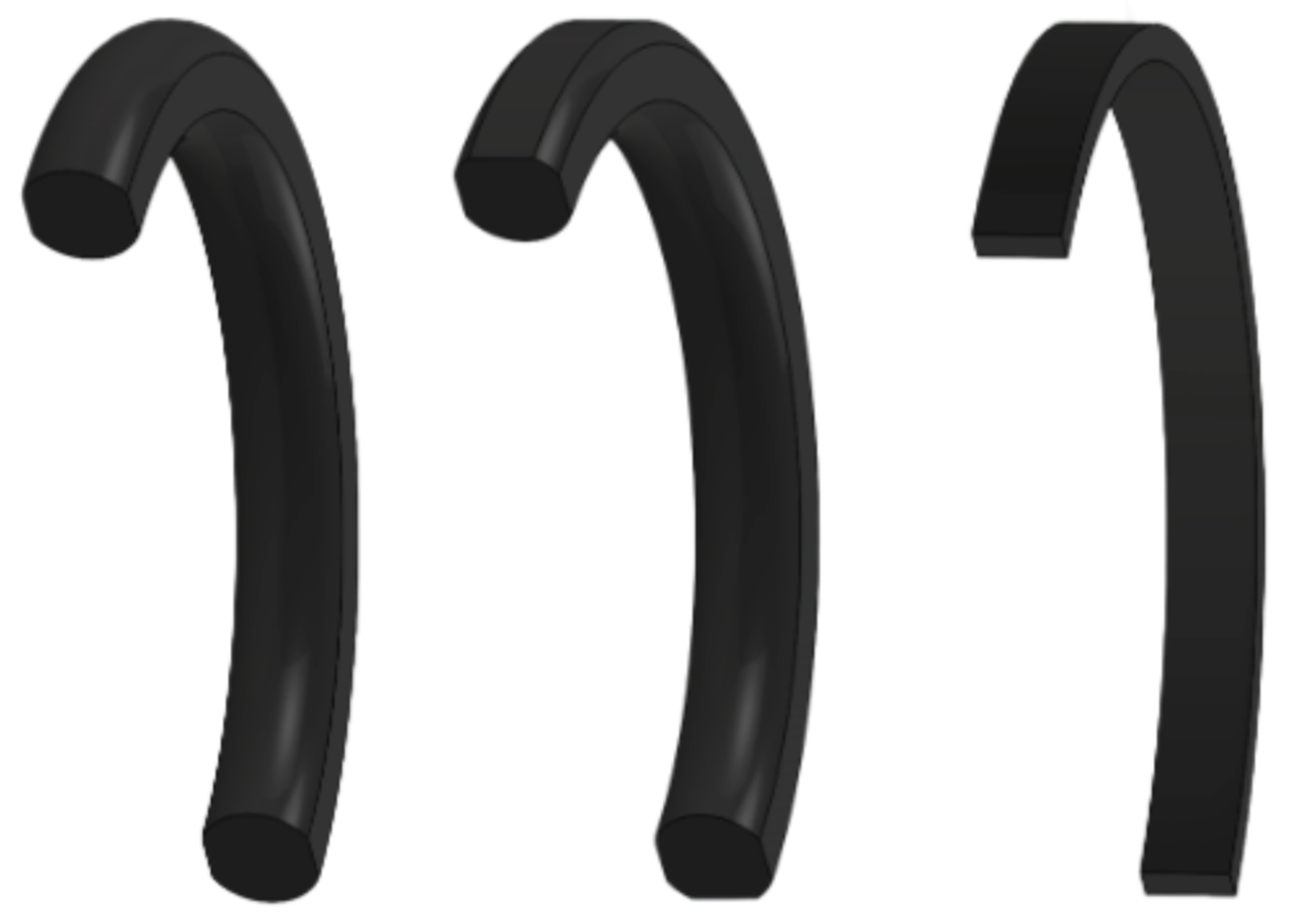
50A urethane rubber is soft enough for traction, has good shock absorption, and is firm enough to hold shape and roll smoothly.

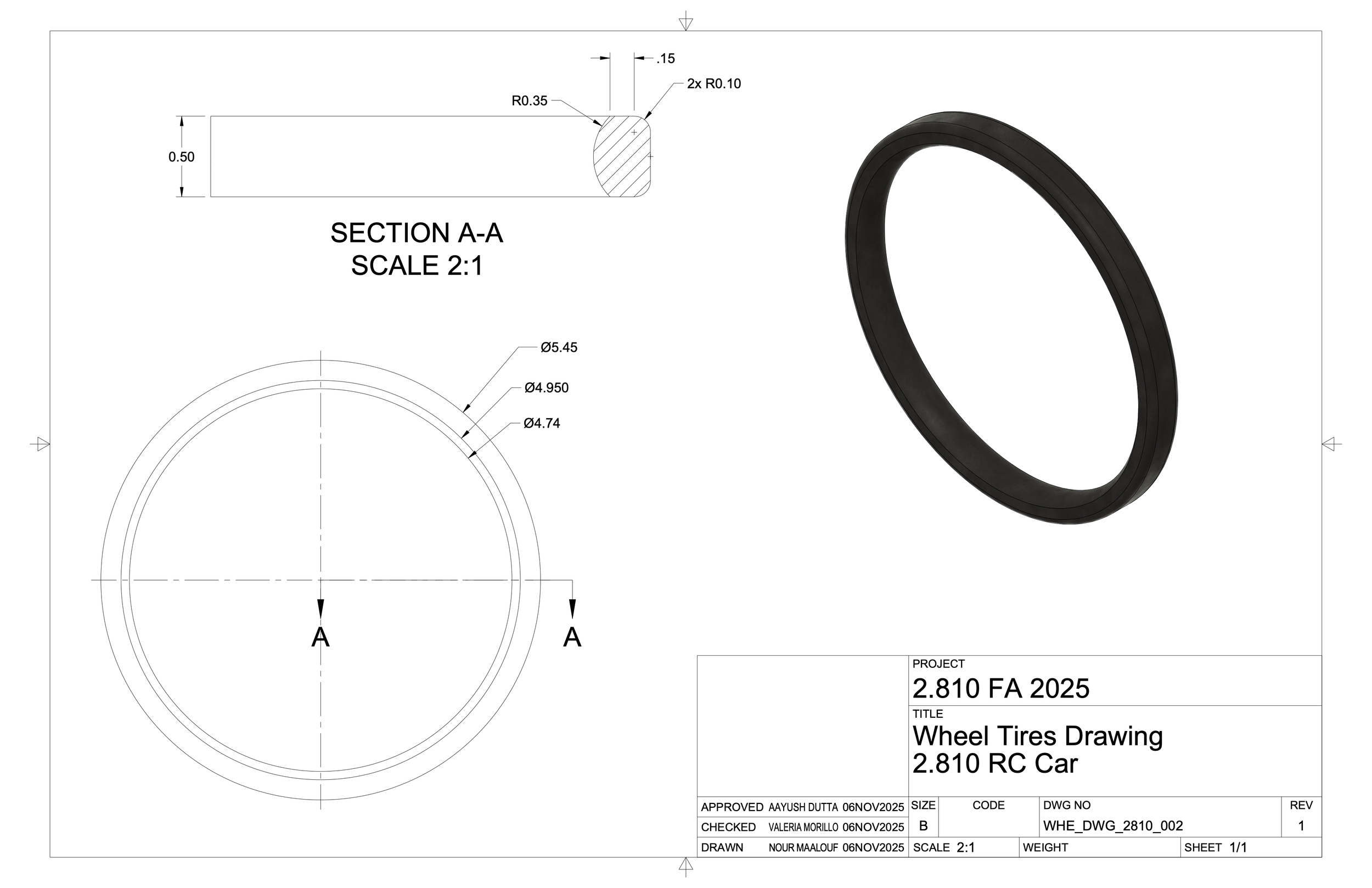
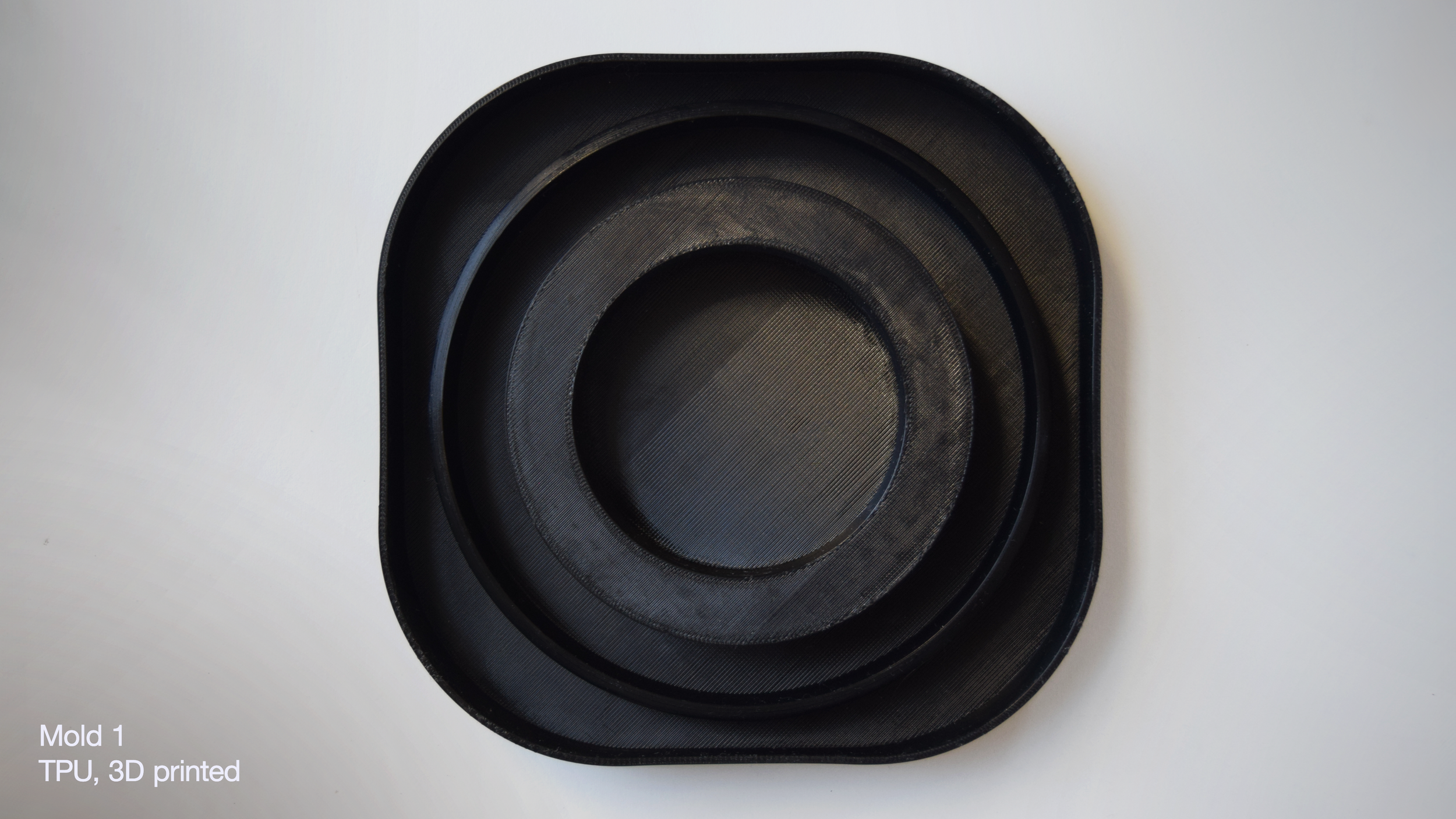
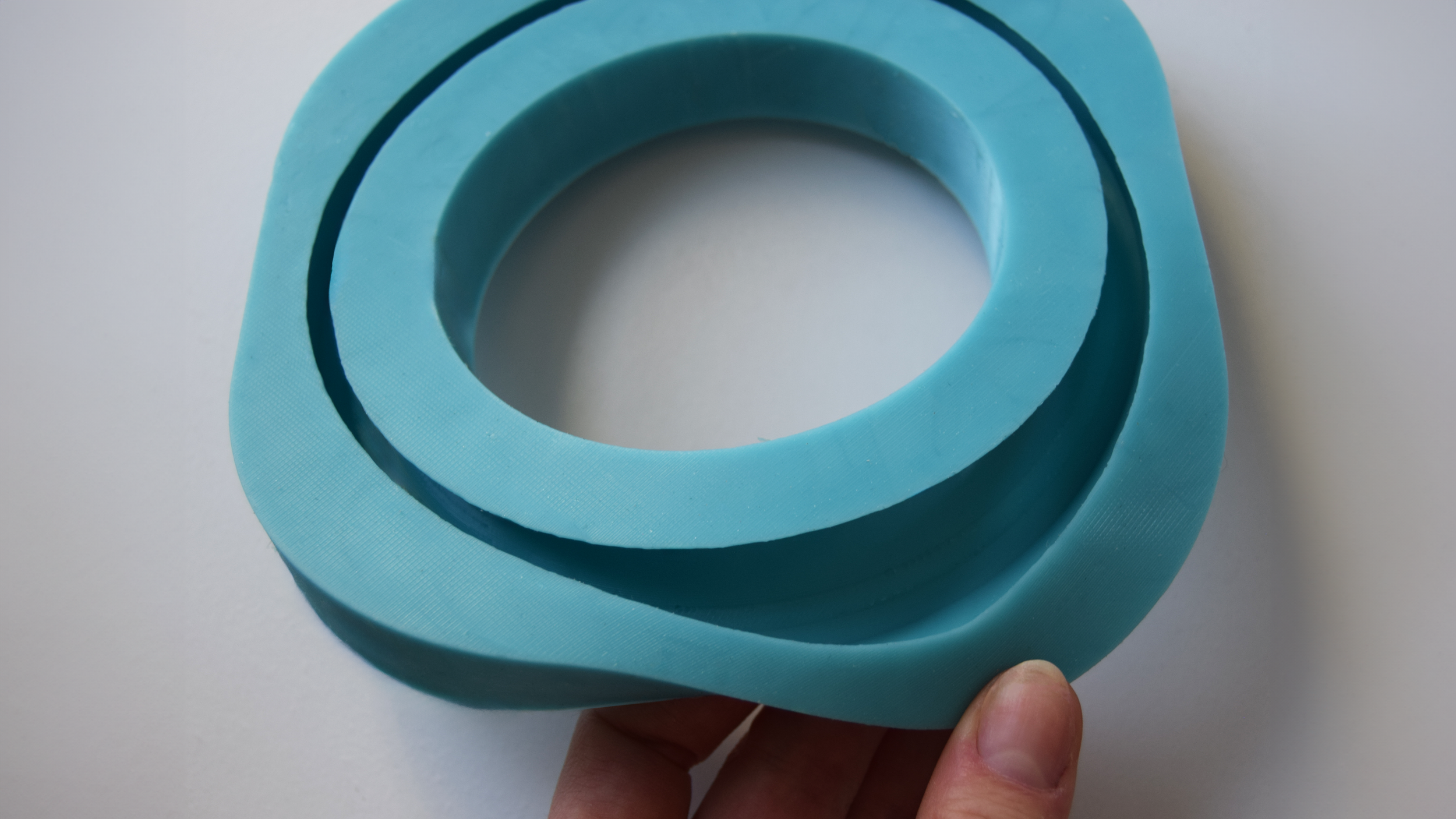
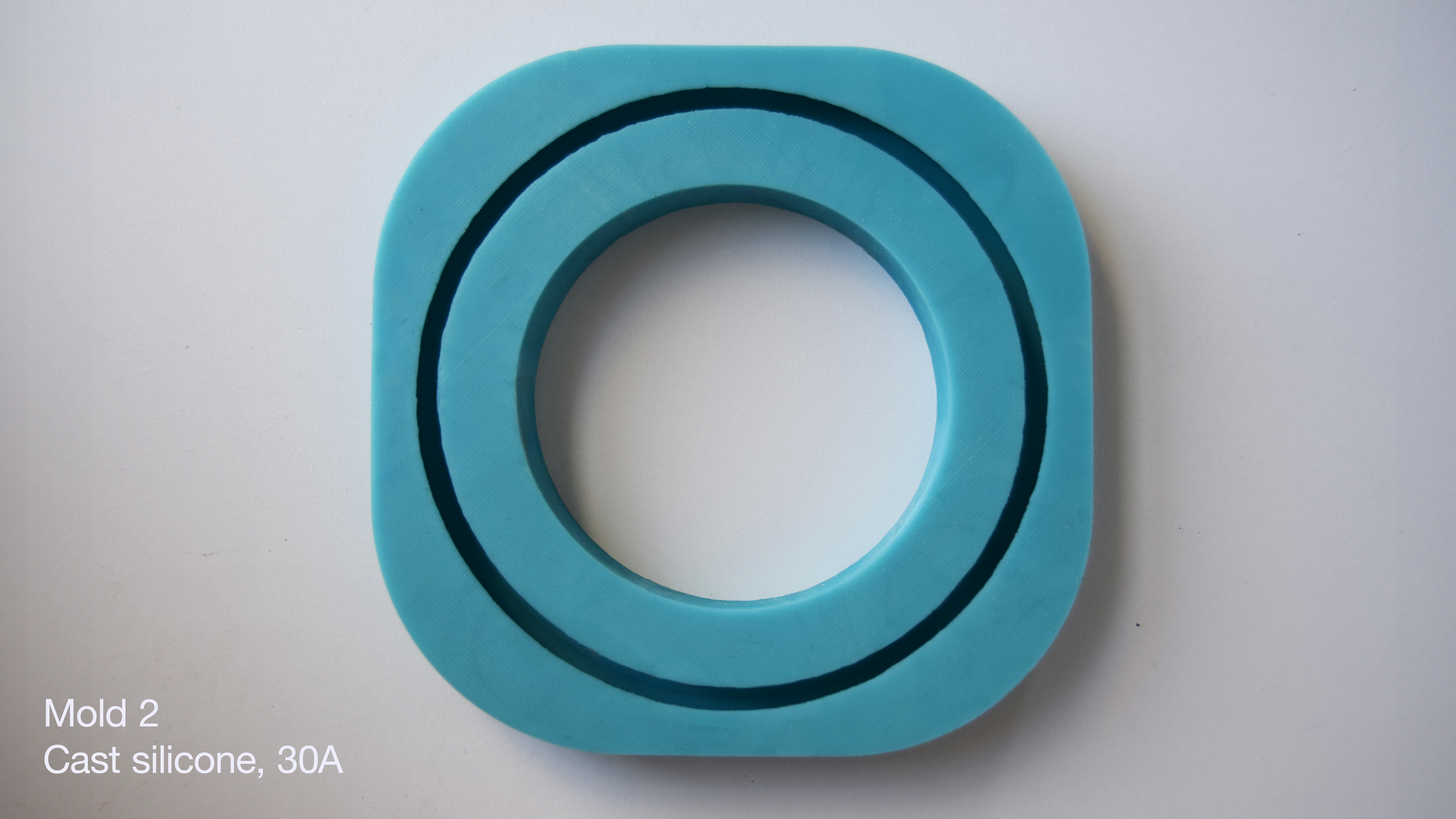
Casting was the best manufacturing method here because it would have been too slow to 3D print 160 tires, and injection molding wasn’t an option.
I iterated on a mold design that minimized material usage while providing the structural stability needed for the cast rubber to cure.
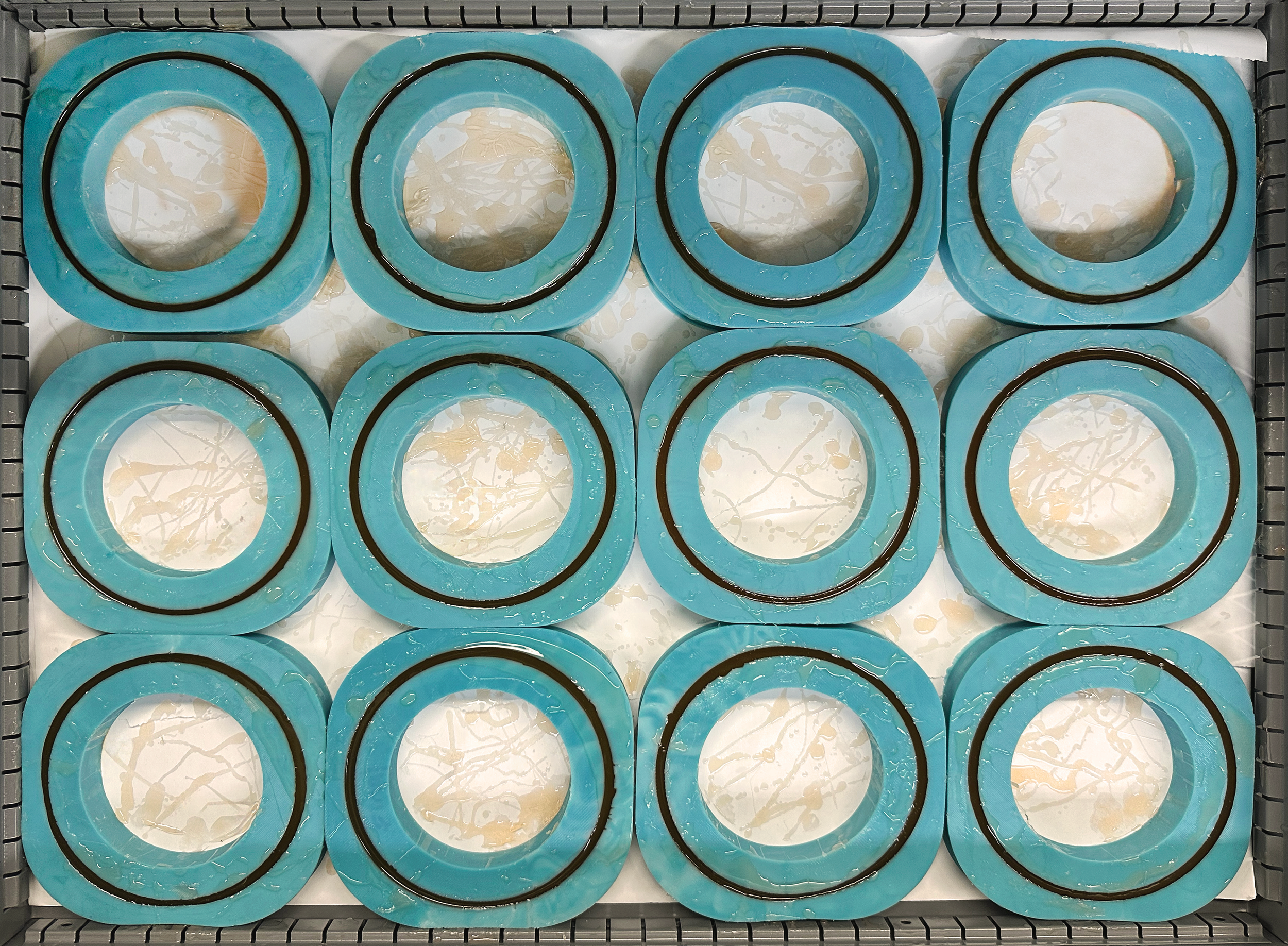
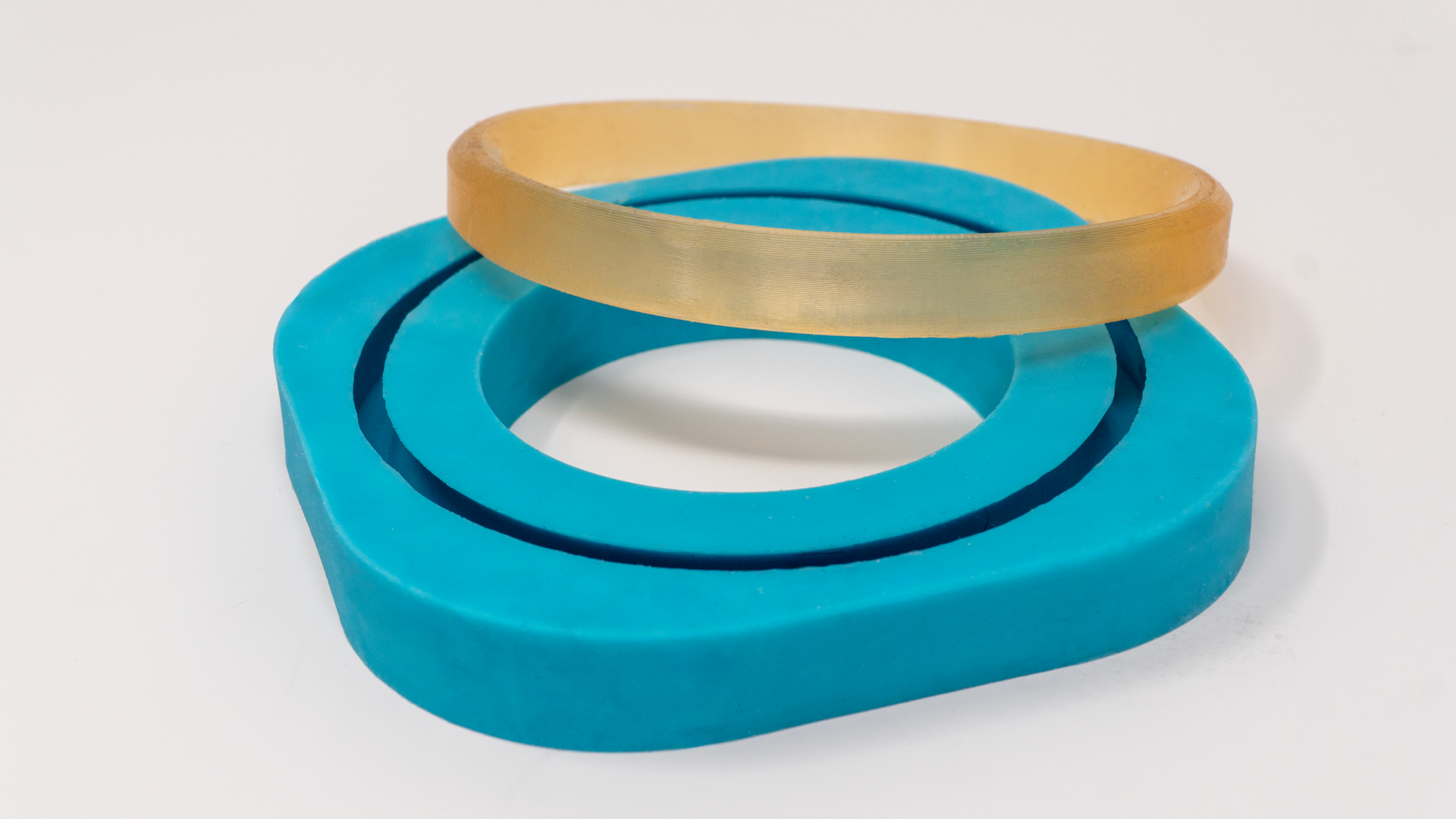
A 12-mold setup to cure twelve tires at once, pouring directly into the curing drawer to reduce handling time.
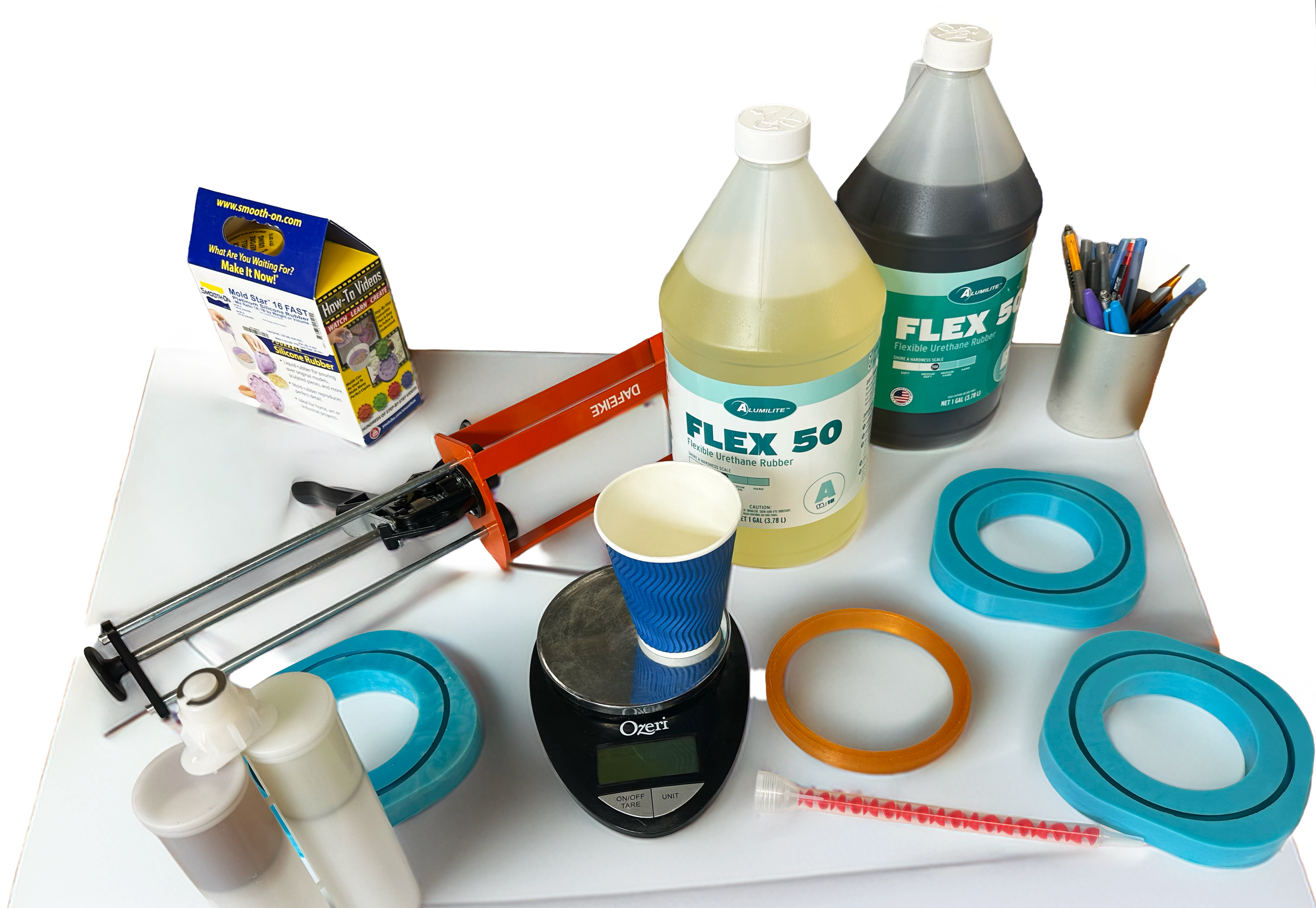

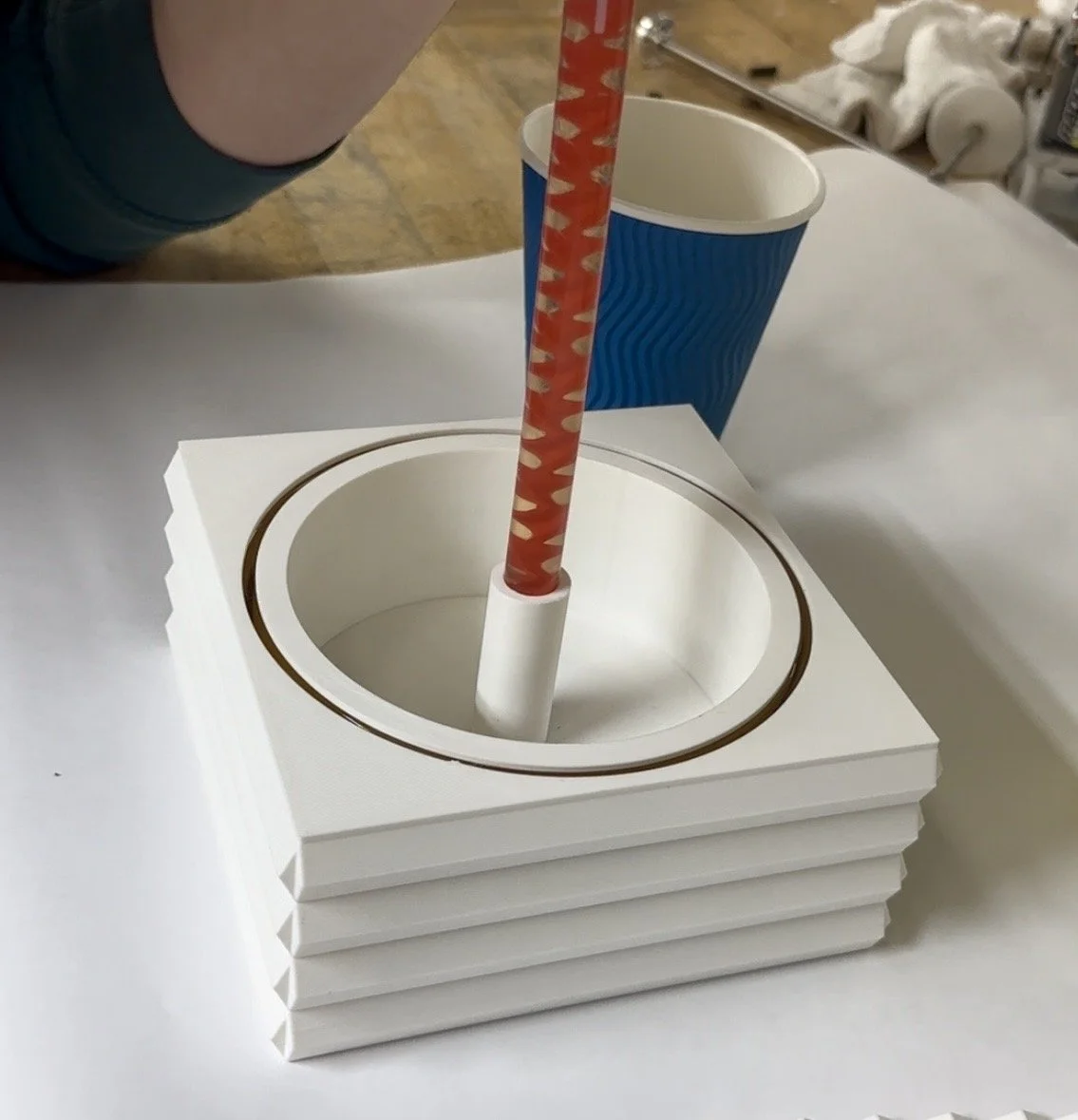
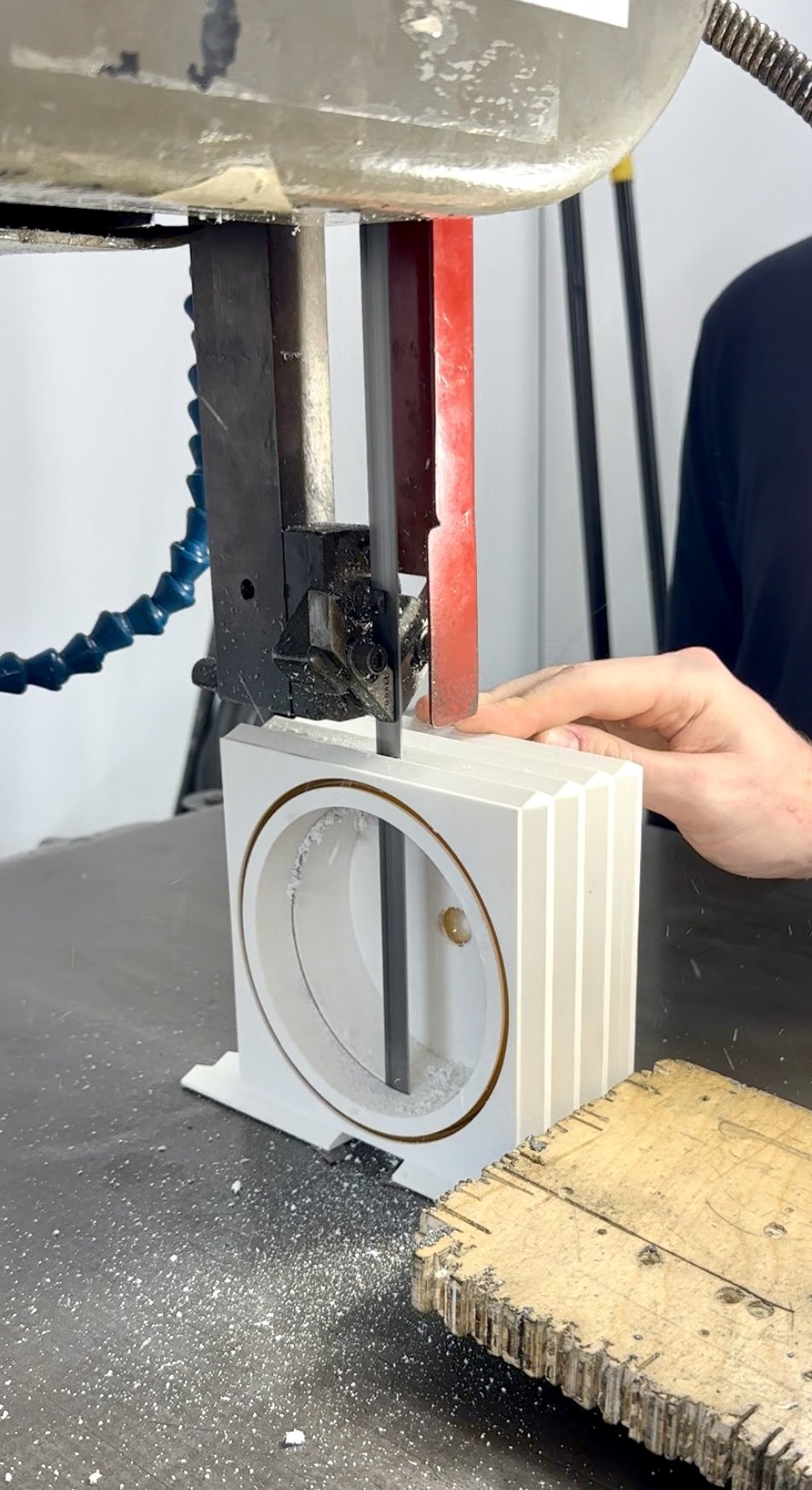
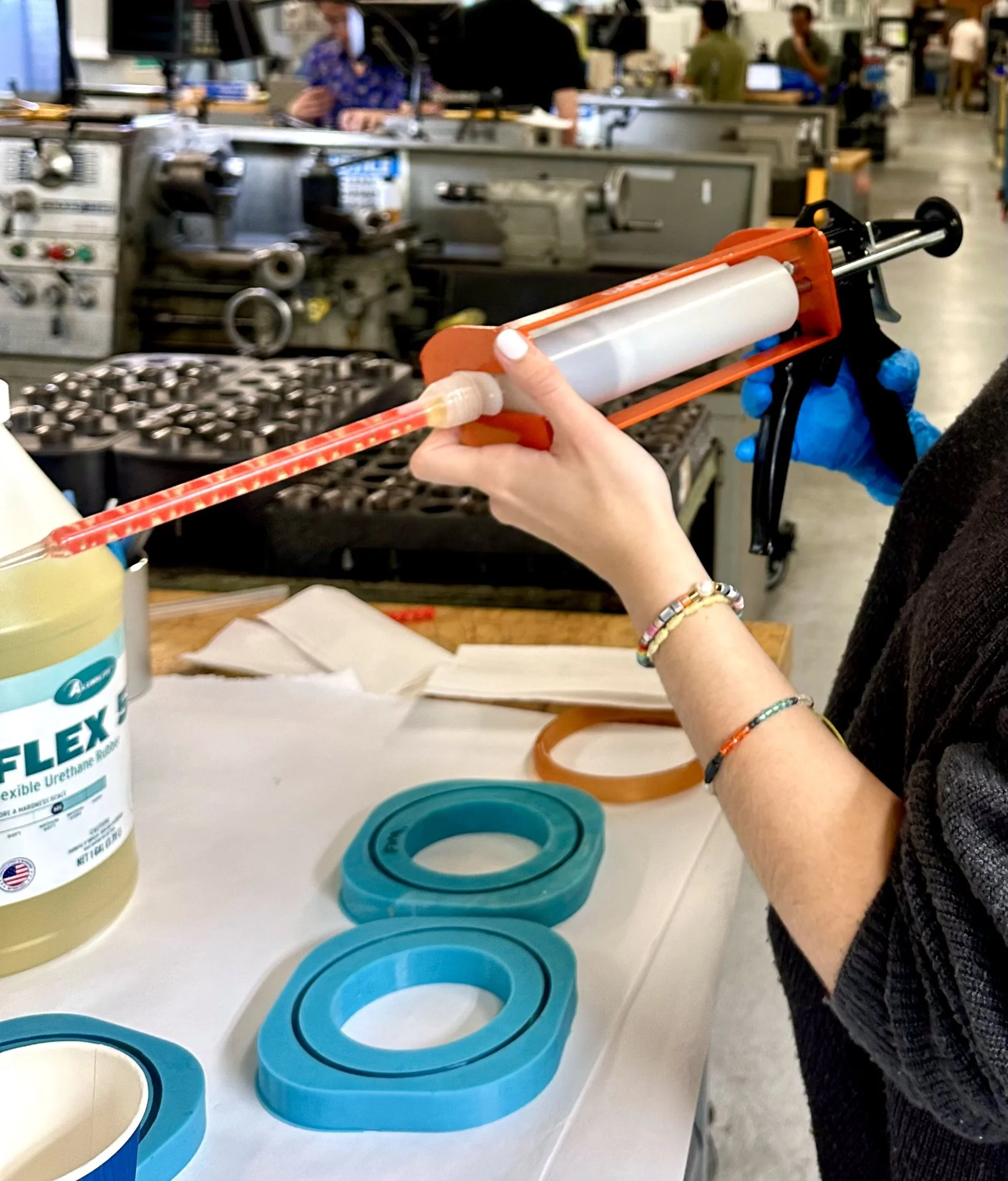
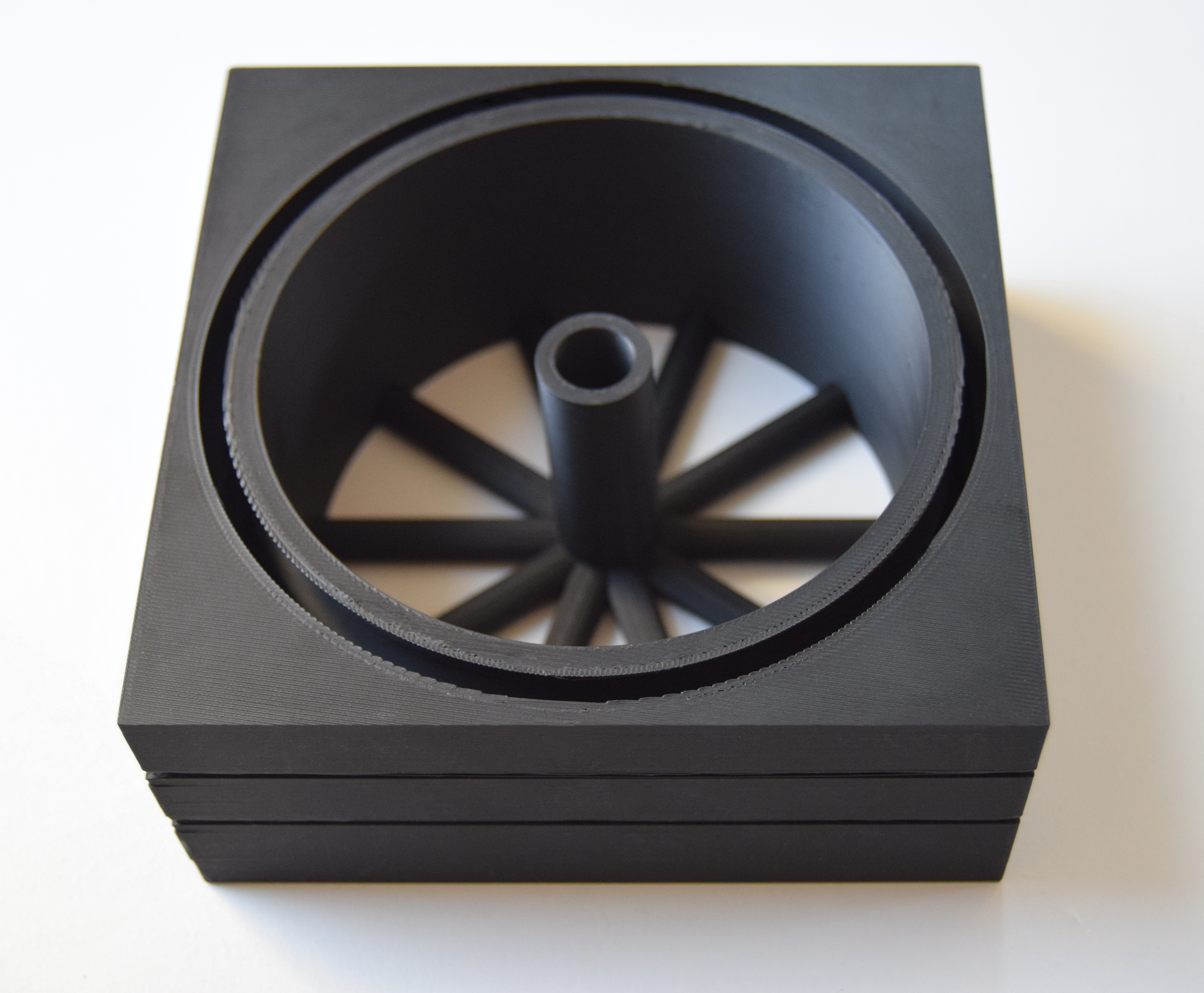
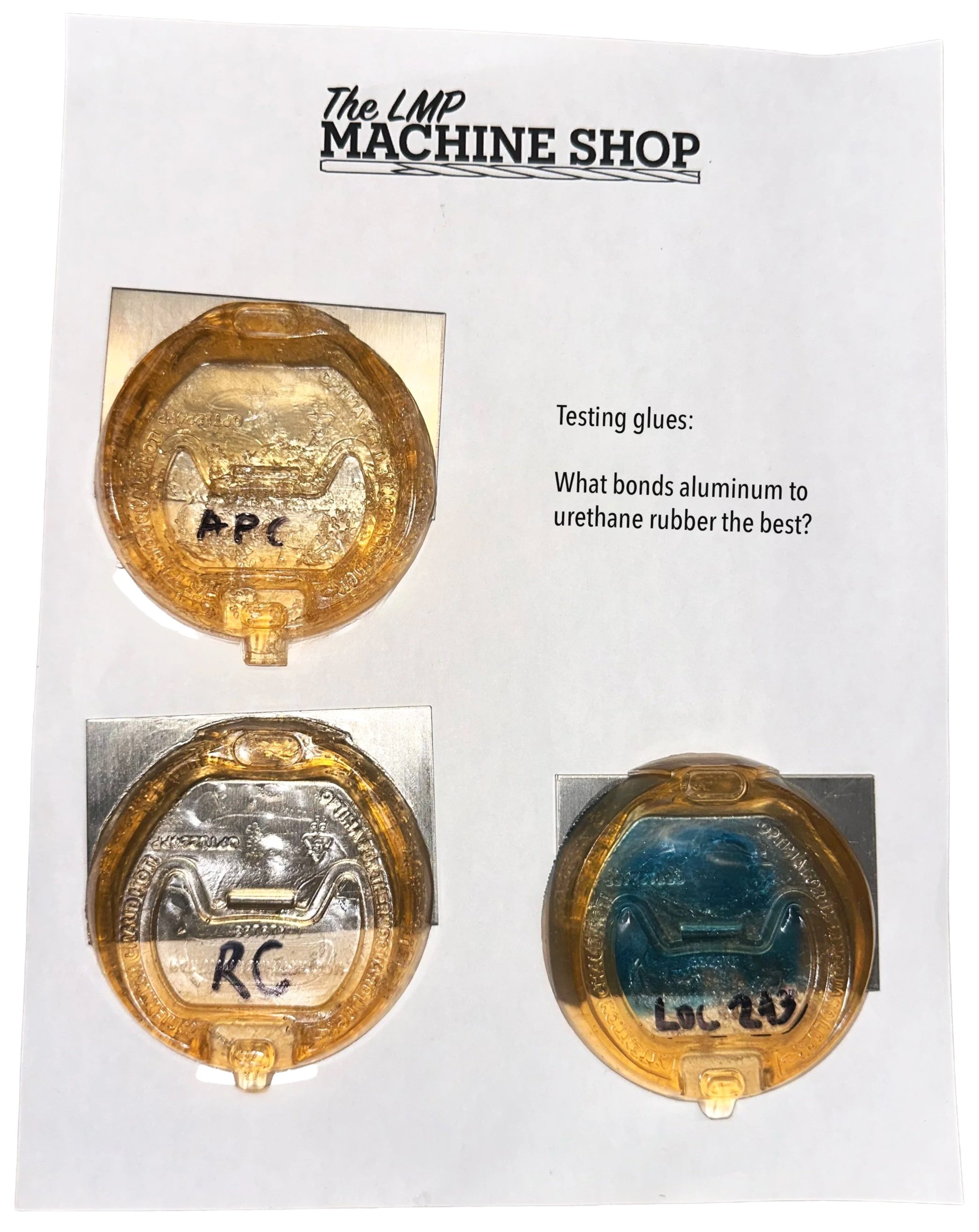
Alternative approaches tested
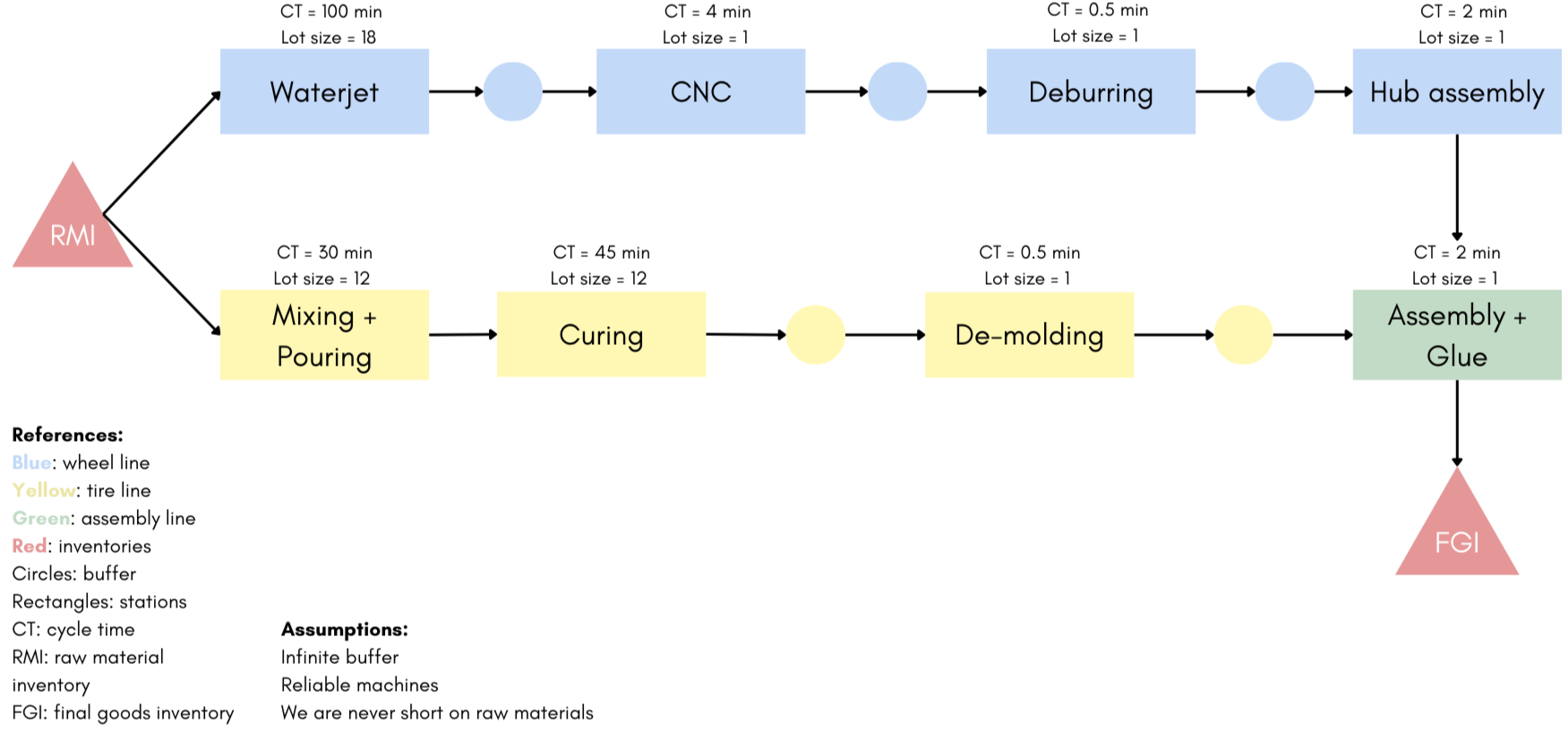
Manufacturing System
Critical Mating Points
Drivetrain
Axle stick-out: 0.5” each side (divot points placed for hub set screws)
Suspension
Potential interference: no interference when compressed
Chassis
Potential interference: no interference when turned
Steering
Axle stick-out: no stick-out (divot points places for hub set screws)